
Essential Solar Health Inspections for Desert Conditions
Solar energy is becoming increasingly popular, especially in desert regions where sunlight is abundant. However, the harsh desert environment poses unique challenges for solar panel systems. Regular health inspections are crucial to ensure that these systems operate efficiently and effectively. In this blog post, we will explore the importance of solar health inspections in desert conditions, the specific challenges faced, and practical steps to maintain your solar energy system.
Understanding the Desert Environment
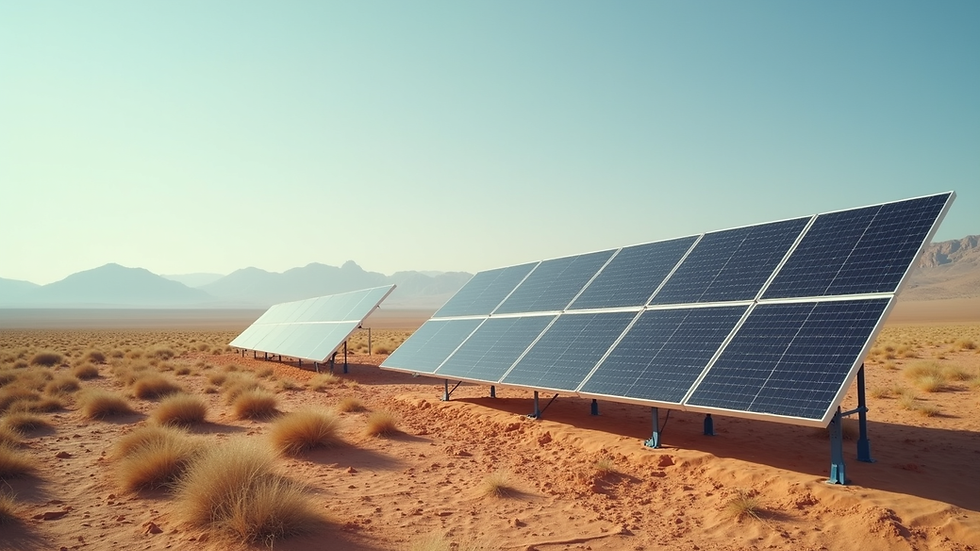
Desert climates are characterized by extreme temperatures, low humidity, and intense sunlight. These conditions can significantly impact the performance and longevity of solar panels. Here are some key factors to consider:
High Temperatures: Solar panels can overheat, leading to reduced efficiency. Most panels operate best at temperatures between 15°C and 25°C (59°F to 77°F). In desert areas, temperatures can soar above 40°C (104°F), which can decrease energy output.
Dust and Sand Accumulation: Dust storms are common in desert regions. Dust and sand can accumulate on solar panels, blocking sunlight and reducing their efficiency. Regular cleaning is essential to maintain optimal performance.
UV Radiation: The intense UV radiation in deserts can degrade the materials used in solar panels over time. This degradation can lead to cracks and other damage, necessitating regular inspections.
The Importance of Regular Solar Health Inspections
Regular health inspections of solar energy systems are vital for several reasons:
Maximizing Efficiency: Inspections help identify any issues that may hinder the performance of solar panels. By addressing these problems promptly, you can ensure that your system operates at peak efficiency.
Extending Lifespan: Regular maintenance can significantly extend the lifespan of solar panels. By catching potential issues early, you can prevent costly repairs or replacements down the line.
Safety Concerns: Faulty solar systems can pose safety risks, including electrical hazards and fire risks. Regular inspections help mitigate these dangers.
Warranty Compliance: Many solar panel manufacturers require regular inspections to maintain warranty coverage. Failing to conduct these inspections may void your warranty.
Key Components of Solar Health Inspections
A comprehensive solar health inspection should cover several key components:
Visual Inspection
A visual inspection involves checking for any obvious signs of damage or wear. Look for:
Cracks or chips in the solar panels
Loose or damaged wiring
Corrosion on metal components
Accumulation of dirt, dust, or debris
Performance Monitoring
Monitoring the performance of your solar system is crucial. This can be done through:
Energy Production Analysis: Compare the energy output of your system to expected production levels based on weather conditions and historical data. A significant drop in output may indicate an issue.
Temperature Checks: Monitor the temperature of the solar panels. If they are consistently running hotter than normal, it may indicate a problem.
Electrical System Inspection
The electrical components of your solar system should be inspected regularly. This includes:
Checking the inverter for proper functioning
Inspecting wiring for signs of wear or damage
Ensuring that all connections are secure
Cleaning and Maintenance
Cleaning solar panels is essential in desert conditions. Dust and debris can accumulate quickly, reducing efficiency. Here are some cleaning tips:
Use a soft brush or sponge with water to gently clean the panels.
Avoid using harsh chemicals that could damage the panels.
Schedule regular cleanings, especially after dust storms.
Seasonal Considerations for Inspections
In desert regions, seasonal changes can impact solar health inspections. Here are some considerations:
Summer Inspections
During the summer months, the risk of overheating increases. Inspect for:
Signs of overheating, such as discoloration or warping.
Ensure that the cooling systems, if applicable, are functioning properly.
Winter Inspections
While winters in deserts are milder, occasional frost or snow can occur. Check for:
Ice accumulation on panels, which can cause damage.
Ensure that drainage systems are clear to prevent water buildup.
Monsoon Season
In some desert areas, monsoon season brings heavy rains. Inspect for:
Water damage or pooling around the solar installation.
Ensure that all seals and connections are watertight.
Professional vs. DIY Inspections
While some aspects of solar health inspections can be performed by homeowners, others are best left to professionals. Here’s a breakdown:
DIY Inspections
Homeowners can perform basic visual inspections and cleaning. This includes:
Checking for visible damage
Cleaning panels as needed
Monitoring energy output through the inverter
Professional Inspections
For more complex inspections, it’s advisable to hire a professional. They can:
Conduct thorough electrical inspections
Use specialized equipment to monitor performance
Identify potential issues that may not be visible to the naked eye
Cost of Solar Health Inspections
The cost of solar health inspections can vary based on several factors, including:
The size of the solar system
The complexity of the inspection
Geographic location
On average, homeowners can expect to pay between $150 and $500 for a professional inspection. While this may seem like an expense, it is a small price to pay compared to the potential costs of repairs or decreased efficiency.
Conclusion
Regular solar health inspections are essential for maintaining the efficiency and longevity of solar energy systems in desert conditions. By understanding the unique challenges posed by the desert environment and taking proactive measures, homeowners can ensure their solar systems operate at peak performance. Whether you choose to conduct inspections yourself or hire a professional, the key is to stay vigilant and address any issues promptly.
Investing in regular inspections not only maximizes energy production but also enhances safety and compliance with warranty requirements. Take action today to protect your solar investment and enjoy the benefits of clean, renewable energy for years to come.


Comments